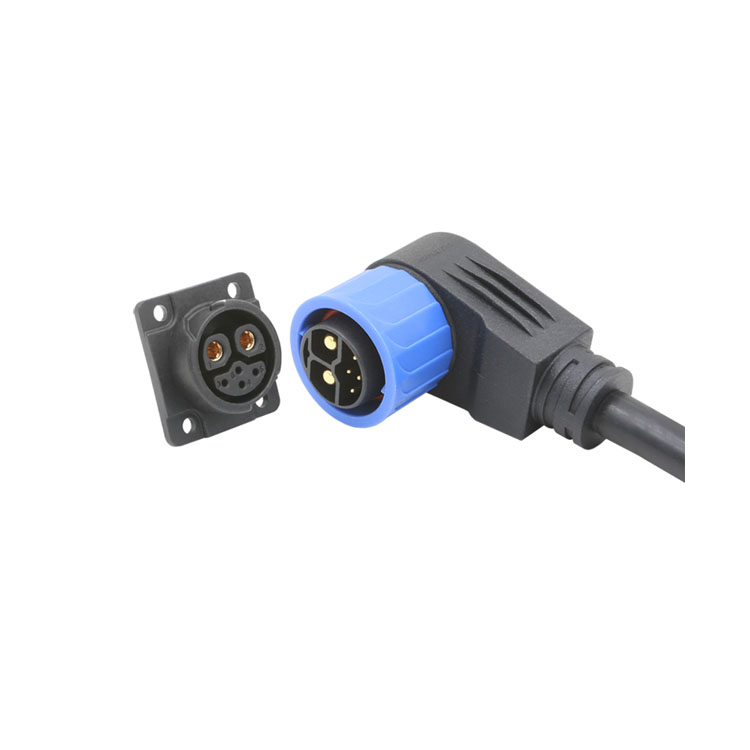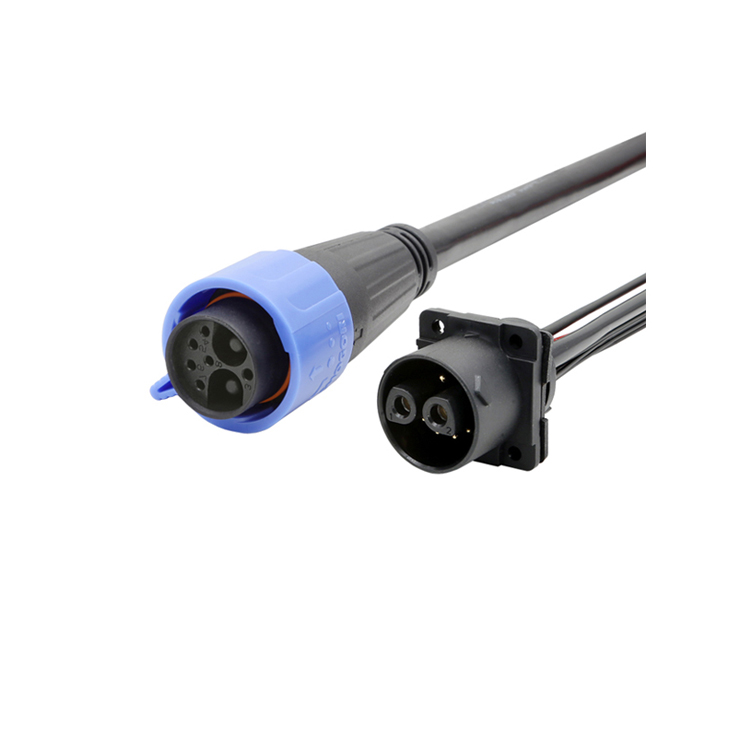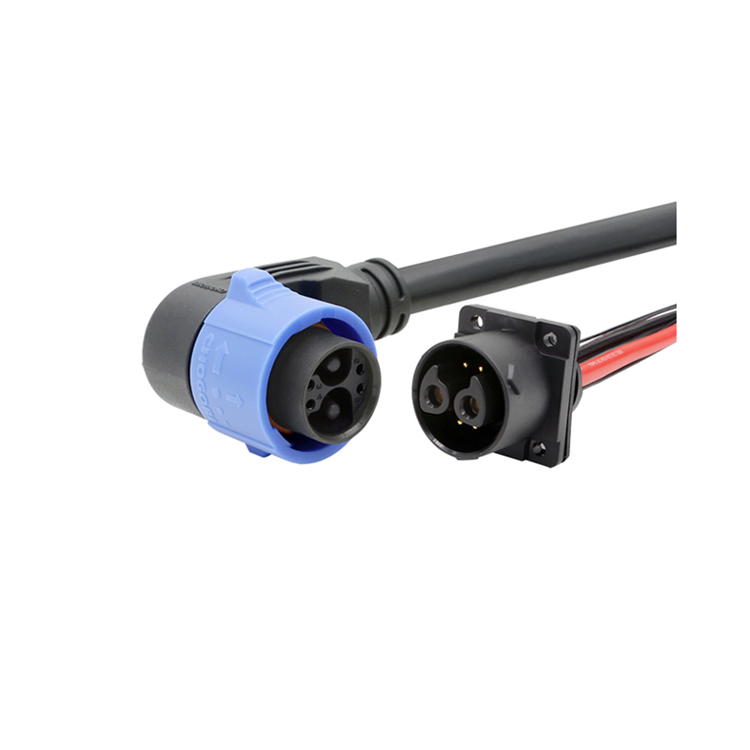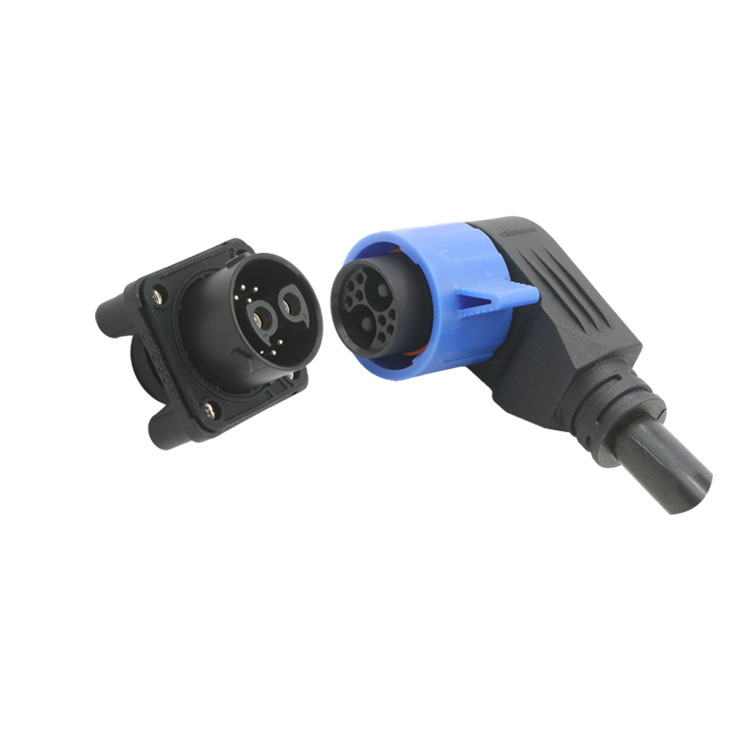
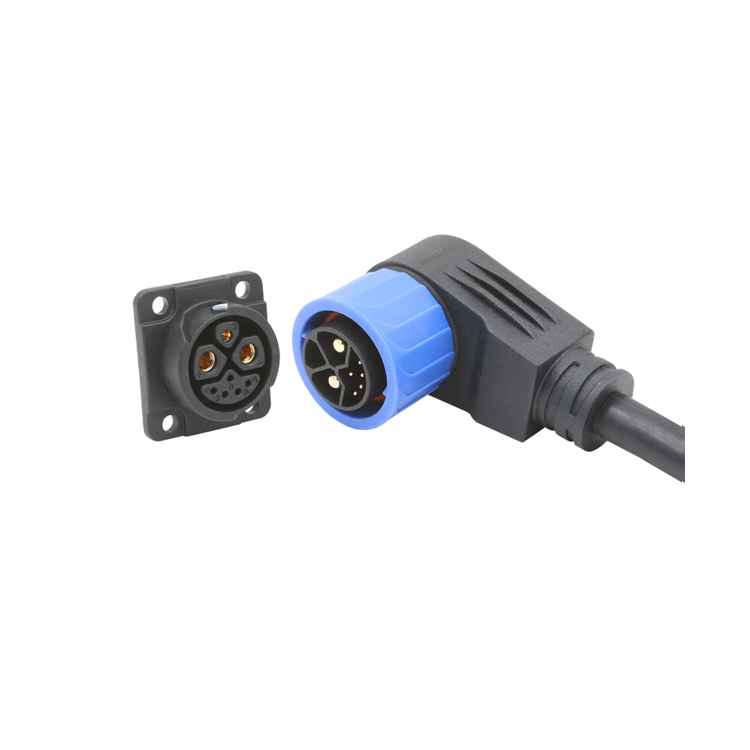
Mate60 2+8 Pin (50A+5A)

Provide electrical connections for charging and discharging of electric motorcycles

Advantages:
● Self-locking mechanism
● Lock ring with tactile feedback for easy release
● IPXXB protection ratings
● Click confirmation sound when locked
● Three-point locking design for vibration resistance
● RoHS & REACH compliant

Specifications FAQ Related

Specifications

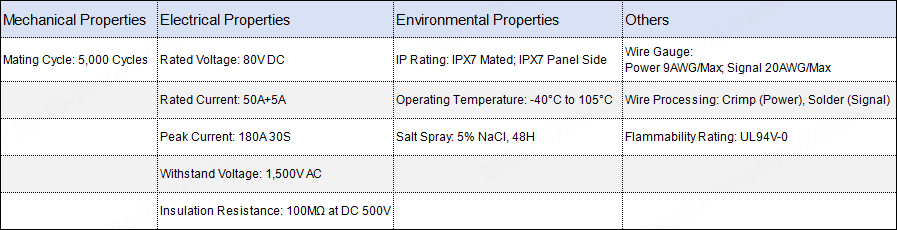
Rated Voltage: 80V DC
Rated Current: 50A+5A
Peak Current:
Withstand Voltage: 1,500V AC
Insulation Resistance: 100MΩ at DC 500V
IP Rating: IPX7 Mated, IPX7 Panel Side
OperatingTemperature: -40°C to 105°C
Salt Spray: 5% Nacl, 48H
Mating Cycle: 5,000 Cycles
Wire Gauge: Power 9AWG/Max, Signal 20AWG/Max
Wire Processing: Crimp (Power), Solder (Signal)
Flammability Rating: UL94V-0

FAQ

Q

For exports to Europe, CE and RoHS compliance is required. Do you have a REACH SVHC test report available?

A
Chogori connector materials comply with RoHS and REACH environmental requirements, enabling the products to be marketed and used in Europe without compliance barriers. Customers who require a REACH SVHC test report may contact our sales or technical support team to obtain the relevant documentation.
Q

Has Chogori's connectors passed UL 1977 or UL 2238 certification?

A
Some Chogori products are UL certified, including certifications to standards such as UL 1977 and UL 2238. The company actively implements the IATF 16949 Quality Management System and maintains stringent quality management standards. For certification details and certificates for specific product models, please contact our sales team for further information.
Q

Is it normal for the housing of a high-current connector to become very hot or even too hot to touch? How should this be handled?

A
High-current connectors may experience some temperature rise under rated load, but they should not become excessively hot or too hot to touch.

Common causes of excessive heating include:

The actual operating current exceeding the rated current
Excessive contact resistance
Poor terminal crimping or undersized cables
Loose or oxidized internal terminals or contacts

Recommended actions: Stop operation immediately and check whether the contact resistance exceeds the specified range. Inspect the terminal crimping points for looseness or oxidation. If a problem is identified, replace the affected components, reduce the load, or re-crimp the cable as required.
Q

LED street lights installed in coastal areas require connectors with additional UV resistance and anti-aging treatment. Is this necessary?

A
Yes. Coastal areas are exposed to strong UV radiation and high salt-spray concentrations, so connectors should use UV-resistant and flame-retardant materials, such as PA66 nylon housings.

Chogori’s M15 waterproof connectors are designed for outdoor LED street lighting and can withstand heavy rain, vibration, and UV exposure, making them suitable for applications such as highways and rural roads. The materials are sourced from high-quality plastics with UL Yellow Card certification, helping ensure reliable outdoor performance for 5–10 years.
Q

What are the differences in test conditions between IP67 and IP68 for waterproof connectors? Does IP69K protection also support high-pressure and high-temperature water-jet testing?

A

IP67 protects against water ingress when immersed in fresh water up to 1 meter deep for 30 minutes, providing protection against accidental immersion.


IP68 is designed for more demanding immersion conditions. It can withstand prolonged immersion at a depth of 1 meter, with the specific duration defined by the manufacturer and potentially lasting 7 days or longer.

IP69K and IP68 involve different protection tests. IP69K is designed to withstand high-pressure, high-temperature water jets, but it does not fully cover immersion protection.

Some Chogori connectors are available with IP69K protection.

Related